My SOAP for Residency Experience
7 min read6 sections
In this article6
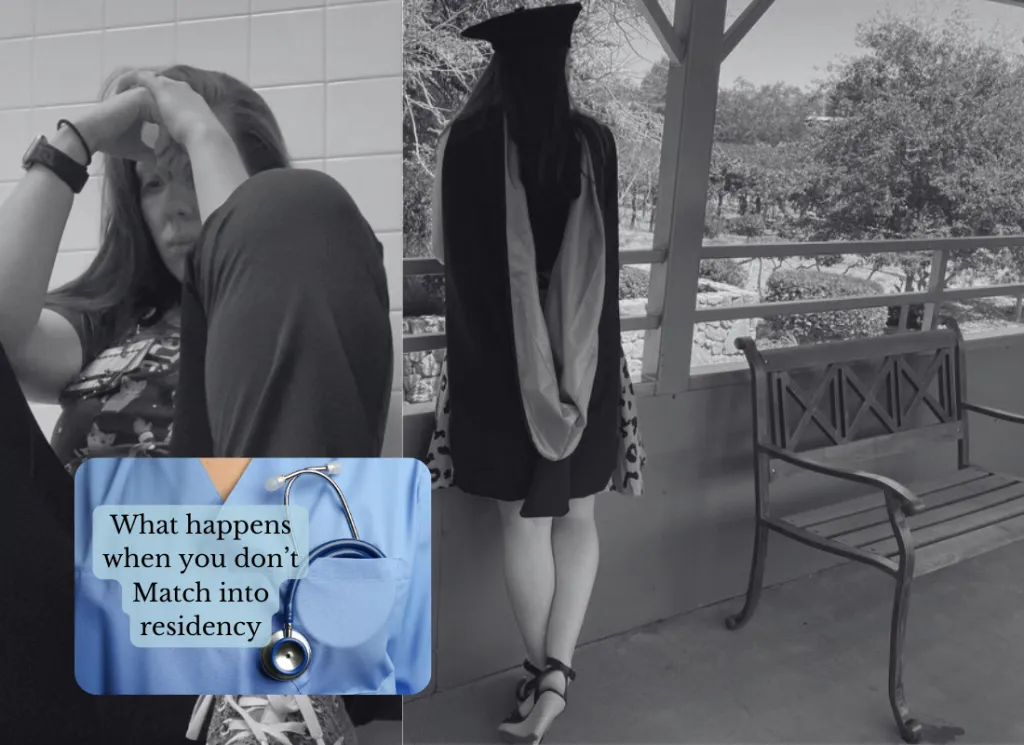
Remember when they told you the hardest part of medical school was getting in? Well, they forgot to mention the MATCH. The MATCH is an expensive and anxiety-provoking experience that practically every medical school student must go through to continue their training. But what they didn’t tell you about is what happens when you DON’T match into residency. So, let me tell you exactly what happens.
2021 – March:
I didn’t get many interviews because I didn’t like to play the system. I applied to the programs I wanted to go to and wrote a very long personal statement, thinking they would appreciate the effort. I “played” the MATCH like I live life—only going after what I want and not willing to apply to places just for the sake of it. Unfortunately, it didn’t work out in my favor. So, when I received the email at 09:55am EST saying, “we are sorry, but unfortunately you did not match,” I wasn’t surprised.
I gathered my (at the time) boyfriend and my parents together. All three were ready to help me with SOAP for residency, knowing it would be a tough week. So when I got that email, I quietly walked out of the room, sat down on the bed, and cried. No matter what, it still hurts when years of hard work result in disappointment. I felt like a failure. Like everything I had sacrificed to get to this point was worthless. So, I cried. Set a timer for 5 minutes and just cried. Then told myself it was time to get to work. I walked back into the room with my support team and said, “Let’s begin.” And I started organizing my support team for SOAP applications.
Mid-week of SOAP for Residency:
I had a Zoom meeting with some advisors from my school. During the first part of the week, I received a few emails here and there from them, but there wasn’t much communication or guidance. I felt pretty alone in this process. During that meeting, they asked me how I was doing. Being completely honest, I answered, “I’m in a really dark place right now.” The call fell silent. Then someone asked, “Why?” They couldn’t begin to understand how isolating and devastating it can feel to have your worst feelings of inadequacy seemingly confirmed by not matching. The only physician on that call was the one who offered comfort and hope. When your identity is defined by your career and then you are told you are not good enough, everything falls apart.
SOAP Rounds – Giving My Spot Away:
One night during SOAP, I received a call from a transitional program director. After talking, he mentioned an open spot in the internal medicine program and asked if I would be interested. Of course, I was! I thought I had applied to that specific branch of the program. What I didn’t realize is that there were two programs with similar names, and the IM director who was about to call me didn’t have my application because I had already submitted my maximum number of SOAP applications. I could only hope that they would have a spot when SOAP was over… but spoiler alert, they didn’t. Ironically, I had mentioned in passing how rough the process is on us students and how my friend was looking for a spot in a family-oriented transitional program. So my friend got a position, and I remained unmatched. (It is important to note that 1) I did not speak on my friend’s behalf in a formal capacity. I had been giving examples of SOAP situations and expressing how good applicants are struggling, and 2) I am thrilled my friend got a spot and is having a successful career! There was no resentment whatsoever.)
The rest of SOAP was painfully uneventful. To this day, I’m not sure why many programs didn’t like my application during that week. Regardless, on Friday, I had no spot. I became an Unmatched Student in 2021.
2021 The Scramble:
The scramble is the mad dash for unmatched applicants to find a spot anywhere in the country with any program that did not fill. It can involve using ERAS or sending cold emails to every program on the list of unfilled positions. It’s painful to have these programs not respond to inquiries, promise more information soon (and never get back to you), or worse, have interview after interview only to have them choose someone closer in location. Needless to say, during this process, I made the decision with my boyfriend at the time to move to an area in Virginia that had three programs I liked. I would get a job in those hospitals to get my name in their heads and reapply for the 2022 Match cycle. And so, after I graduated from medical school, we did just that.
It is important to note that during these months, I was extremely depressed. I felt like a failure. I didn’t even attend my own medical school graduation because I couldn’t handle the questions about where I had matched and the inevitable looks of pity when I had to repeatedly explain that I did not match and would be working as a paramedic. Having a full medical degree and not being able to use it… I felt like I had just wasted the last 5 years of my life.
Unmatched – A Year:
The “year” was more like 6 months, as the process starts again in August. Not enough time to move everything, get well-established, and get my name known by each program. But I tried. This put extreme stress on both me and my boyfriend. I was working a full-time job and a part-time job, and he was trying to establish his business in a new state. It was rough. The mental load each of us was facing ultimately led to the end of the relationship. But to our credit, we both soldiered on during the entire Match of 2022. Why does this part of my story matter? Well, I had made a promise to him to stay in the area for residency because he had moved across the country to be with me. And I kept my promise, to the detriment of my Match application process. Once again, I had to limit my applications based on the distance from my new city… so the SOAP process was almost inevitable.
March 2022: SOAP again
With very little shock, due to the limited programs I applied to, I had to SOAP once again. Although the email still came as a disappointment, this time I had a plan. (I even wrote a survival guide for SOAP based on my experiences). I was blessed to match into a great mid-sized program that emphasizes mental health and helps residents pursue excellent training. (To round out the storyline, yes, we ultimately ended the relationship before I entered residency).
The Lesson:
SOAP, scramble, going unmatched… all things that are never talked about or discussed in hushed tones. If you start digging into the NRMP match rates, you’ll find that about 6% of US graduate students who apply go unmatched. In 2023, the unmatched rate for applicants from international medical schools with US citizenship was 32%, the lowest it has been since 2019. MD/DO graduates who are reapplying for PGY-1 positions have a 52% unmatched rate. In 2023, 18% of all active applicants went unmatched. Long story short, it’s more common than you think. So why is it so shameful?
We are trained to be the best of the best as physicians. Most of us were A+ students in high school, probably near the top or at the top of our classes in college. Then in medical school, we become average because when you’re at that level, not everyone can be the best. Then we are promised residency, when in fact, it is never guaranteed. My life became the nightmare that every 4th-year medical student has before Match Monday. And I am here to say—it sucked. It sucked so badly. I felt abandoned, like I had failed, and like there was no hope. AND I kept going. I found a way to survive and then find a spot that allowed me to meet some amazing people. I am here to tell you, it’s going to be hard. One of the hardest things you may face. But you didn’t come this far just to come this far. Keep fighting for a spot. We need doctors who want to be in medicine. And I think fighting for my spot gave me a deep appreciation for what I could have missed out on. And the feeling of July 1, walking in and saying, “Hi, I’m Dr. Johnson, I’ll be taking care of you”… there is no prouder moment.
- Let's stay in touch. Get the latest blog post in your inbox.